









 RSS
RSS

CMS: Romania allocates EUR 1.6 bn to green energy under the EU Recovery and Resilience Plan
07 Iunie 2021 CMS România
For more information on the NRRP and opportunities in Romania's energy sector, contact your CMS client partner or local CMS experts: Varinia Radu, Ramona Dulamea and Raluca Diaconeasa.
|
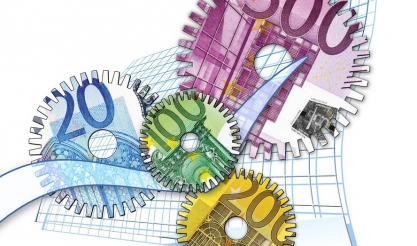
Sursa: Pixabay |


On May 31, Romania sent the European Commission the National Recovery and Resilience Plan (NRRP) for approval, a proposal that includes all seven EU policy flagship areas and sets out the reforms and public investment projects that Romania intends to implement with the support of the Recovery and Resilience Facility (RRF). In total, Romania has requested EUR 14.3 billion in grants and EUR 15 billion in loans under the RRF.
The NRRP is structured on six pillars: the green transition, digital transformation, smart growth, social and territorial cohesion, health and resilience, and policies for the next generation. The plan includes measures on sustainable transport, education, healthcare, building renovation and the digitalisation of public administration.
The NRRP is structured on six pillars: the green transition, digital transformation, smart growth, social and territorial cohesion, health and resilience, and policies for the next generation. The plan includes measures on sustainable transport, education, healthcare, building renovation and the digitalisation of public administration.
Under the green transition pillar in the energy sector, the government proposed the following six reforms amounting EUR 1.62 billion:
Reform 1: Electricity market reform, replacing coal in the energy mix and supporting an incentive legislative and regulatory framework for private investment in renewable electricity production.
Reform 2: Developing a favourable legislative and regulatory framework for future technologies, in particular hydrogen and storage solutions.
Reform 3: Improving corporate governance of state-owned energy companies.
Reform 4: Reducing the energy intensity of the economy by developing a sustainable mechanism to boost energy efficiency in industry.
Reform 5: Increasing competitiveness and decarbonisation of the heating- cooling sector.
Reform 6: Decarbonisation of the transport sector through investments in electric transport infrastructure and creation of incentives for green transport.
Romania has set a target of a 30.7% overall share of green energy vis-à-vis total consumption by 2030. Although Romania proposed one of the largest green targets in the region, the European Commission recommended a target of at least 34% for Romania in order to meet the accelerated post-pandemic EU transition goals for 2050. Under the current proposed target, it is estimated that 6.9 GW in low carbon technologies are needed by 2030 to meet this goal, which is estimated at about EUR 22 billion in overall investments.
Several steps have been already taken in the revision of the legal framework to align Romanian legislation with EU provisions and to provide investors with an up-dated, predicable and clear environment. In April, Romania published a draft revised Energy Law, which fully transposes EU Directive 2019/944.
The draft law brings important changes to all segments of the production-consumption electricity chain, but notably – in the restructuring of the competitive market – allows all generators to freely conclude directly negotiated bilateral power-purchase agreements so that new investments can be backed up by legal instruments to facilitate financing solutions under merchand market conditions. This is also important in the context of Romania announcing last year the intention to implement a new support scheme based on the Contracts for Difference mechanism (CfD) for low carbon technologies (e.g. renewables, nuclear, CCS), which the Ministry of Energy, supported by the EBRD, currently has under development for implementation in 2023.
Romania does not currently have a regulatory framework for hydrogen electricity production. A strategy on the production and use of hydrogen on the domestic and export market needs to be defined. According to the NRRP, Romania is considering the development of hydrogen technologies mainly in the transport, gas and electricity sectors. In this context, a National Strategy for hydrogen must be developed. Nevertheless, the NRRP cites the development of a regional natural gas infrastructure (i.e. transmission, distribution, compression stations) in areas poorly connected to the natural gas network, which is capable of receiving hydrogen and other decarbonised gases (e.g. bio-methane, etc.) for up to 10% of its capacity.
In the next at least two months, experts of the European Commission will evaluate the NRRP submission, and the first financial allocations could arrive in Romania this October.
For more information on the NRRP and opportunities in Romania's energy sector, contact your CMS client partner or local CMS experts: Varinia Radu, Ramona Dulamea and Raluca Diaconeasa.



| Publicitate pe BizLawyer? |
  |
| Articol 2677 / 4665 | Următorul articol |
| Publicitate pe BizLawyer? |
                                    |
BREAKING NEWS
ESENTIAL
Reff & Asociații | Deloitte Legal, recunoscută ca societate de avocați de top de către Legal 500 2026. Zece arii de practică sunt recomandate în prestigiosul clasament internațional
LegiTeam - Oportunitate de carieră | Avocat definitiv – Achiziții publice & Infrastructură
LegiTeam: Zamfirescu Racoţi Vasile & Partners recrutează avocat definitiv Dreptul muncii | Consultanță
Cum își pune oamenii în valoare o firmă din elita pieței | Povestea Andradei Rusan, studenta care ‘fura meserie’ în stagiile de vară ale RTPR, cucerită de focusul echipei pe rigoare juridică și de munca la cele mai înalte standarde, iar mai apoi a urcat pas cu pas până pe poziția de Counsel: „Realmente cred că RTPR este o excelentă școală de avocatură la cel mai înalt nivel. Performanța reală în avocatura de business nu e un sprint, ci un maraton”
România și Polonia, condamnate în primă instanță să plătească vaccinurile Pfizer comandate și anulate. Lexters ̸ Stănescu Vasile & Asociaţii și Strelia CVBA apără România în acest proces cu miză de 615 mil. €
Patru case locale de avocați se afirmă în topul global al celor mai bune 100 de firme implicate în arbitraje internaționale | ZRVP, Filip & Company, TZA și LDDP gestionează 30 de arbitraje în curs, cu o valoare agregată de aproximativ 4,1 miliarde de dolari și rămân pilonii prezenței românești în GAR 100, ediția 2026
CMS îi numește pe Horea Popescu și Andrzej Pośniak în rolurile de Managing Directors în Europa Centrală și de Est | Stephen Millar, Managing Partner CMS UK: ”CMS este cea mai mare firmă de avocatură din regiune și suntem convinși că Andrzej și Horea vor valorifica acest fundament solid pentru a consolida și mai mult reputația noastră de firmă de avocatură de top în ECE”
LMG Life Sciences EMEA Awards 2026 | Cinci firme sunt în cursa pentru ”Romania Firm of the Year”, o casă de avocatură locală intră în bătălia paneuropeană din White Collar Crime și un singur avocat român este nominalizat individual. Lista scurtă, pe care sunt și NNDKP și Popescu & Asociații, arată o piață în care casele independente locale continuă să conteze, dar concurează cu rețele regionale la fel de capabile să capteze mandate sofisticate în sectorul Life Sciences
Achiziții Publice | Cristina IVAN, Managing Partner Ivan şi Asociaţii: Arhitectura colectivă a ofertei - Cine ofertează, ce se evaluează, cui i se atribuie şi cine, în realitate, execută
Inflația la control | Instanța confirmă: Fiscul datorează și actualizarea cu inflația, nu doar dobânda fiscală. Soluție obținută de Băncilă, Diaconu și Asociații, cu o echipă coordonată de Emanuel Băncilă (Partener)
Dispute-Resolution.Center: România în Legal 500 EMEA (2026) – White-collar crime | O practică cu mai multe centre de putere: firmele cu activitate intensă, avocații care dau greutate practicii și dosarele care au contat în evaluare
In-houseLegal: Loredana Coraș, Country Legal Counsel la PKO Bank Polski România, distinsă cu premiul Compliance Innovator la Lexology European Awards 2026 | ”Următoarea etapă a inovației în compliance și în activitatea juridică va fi definită de capacitatea de a integra tehnologia într-un mod responsabil, fără a pierde din vedere rolul acestei funcții, acela de a proteja banca”, spune unul dintre cei mai vizibili avocați interni din Europa
Citeste pe SeeNews Digital Network
-
BizBanker
-
BizLeader
- in curand...
-
SeeNews
in curand...
