








 RSS
RSS

How can SMEs affected by the pandemic access the announced state aid scheme?
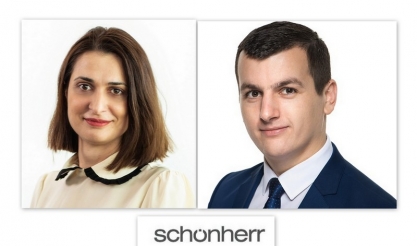
17 Septembrie 2020 Mona Banu (senior attorney at law) and Darius Trușculete (associate) – lawyers specialised in EU & competition at Schoenherr si Asociatii SCA
The amounts allocated to support SMEs in difficulty vary depending on the funding measure concerned. There is also a maximum number of beneficiaries for each support category.
|


Following the European Commission's approval of Romania's state aid scheme to support small and medium-sized enterprises ("SMEs") and certain large enterprises affected by the COVID-19 pandemic, the Ministry of European Funds adopted the state aid scheme through a ministerial order, in the context of the economic crisis generated by the pandemic.
The three funding measures adopted under this programme and detailed below are intended to provide liquidity for the respective SMEs. Thus, the grants to be awarded are intended to cover various categories of expenditure, from current expenditure in the case of micro-grants to expenditure for the expansion, rehabilitation or modernisation of existing production capacities, including the purchase of equipment, technology, machinery and facilities in the case of grants for investments in production activities.
With regard to the application of this aid scheme, beneficiaries must submit funding applications and related documents by 30 October 2020, with the conclusion of financing contracts to be completed by 31 December 2020.
Support measures and beneficiaries
State support is made up of three main measures, namely:
· micro-grants in a fixed amount ("Measure 1") with a total budget of EUR 100 million, a measure available to SMEs without employees at 31 December 2019, self-employed persons and NGOs operating in eligible areas of activities set out in the normative act, as well medical offices involved in fighting the COVID-19 pandemic;
· grants for working capital ("Measure 2") with a total budget of approx. EUR 307 million for SMEs and NGOs active in the education sector; and
· grants for investments in production capacities ("Measure 3") with a total budget of approx. EUR 478 million to support SMEs.
Eligibility criteria
To be eligible, the above categories of SMEs must not (i) have been in financial difficulty on 31 December 2019; (ii) be subject to a decisions to recover unlawful State aid; and (iii) be subject to liquidation, insolvency, bankruptcy or arrangements proceedings with creditors.
There are also a number of specific eligibility criteria that vary depending on the category of the beneficiary and the measure concerned. In general, business continuity for at least one year and a turnover of at least EUR 5,000 for Measure 1, co-participation in working capital and obtaining a certificate for emergency situations for Measure 2, but also recording profit for Measures 2 and 3.
In addition, in order to benefit from Measure 3, it is necessary for the beneficiary to achieve at least 50 % of the planned revenues in the first two years, and the difference - by the end of the third year.
The potential beneficiary of the latter measure must meet, in addition to the general and specific conditions, certain eligibility criteria regarding project profitability, co-financing, the ratio between the requested grant and the registered operating profit, as well as having a NACE code activity falling within the ambit of activities with negative balance of trade, meaning the value of imports exceeds the value of exports.
Amount of support and number of beneficiaries
The amounts allocated to support SMEs in difficulty vary depending on the funding measure concerned. There is also a maximum number of beneficiaries for each support category.
Thus, for Measure 1 the maximum amount granted is EUR 2,000, and the number of beneficiaries is capped at 50,000. The amount of aid for Measure 2 ranges between EUR 2,000 and a maximum of EUR 150,000, depending on the turnover of the beneficiary, with a maximum number of beneficiaries of 100,500, while the support granted under Measure 3 ranges between EUR 50,000 and EUR 200,000 for a maximum of 15,000 beneficiaries.
Lastly, it should be borne in mind that the forms of state support may be cumulated, respectively Measures 1 and 2 beneficiaries may also access Measure 3. In addition, other state aid schemes may be accessed, up to a maximum of EUR 800,000.



| Publicitate pe BizLawyer? |
  |
| Articol 4226 / 4679 | Următorul articol |
| Publicitate pe BizLawyer? |
                                    |
Sparking Capital conduce o nouă rundă de finanțare pentru Pluria, sub asistența unei firme internaționale de avocați
Bucharest Arbitration Days 2026: Probele în arbitrajul internațional: principii și practici în evoluție
LegiTeam: Reff & Associates is looking for a Junior Associate | Dispute Resolution
Meet the Professionals | Din vorbă în vorbă cu Lidia Zărnescu, recent promovată Counsel la Kinstellar despre un parcurs în Dreptul muncii construit cu răbdare și cu oameni valoroși, întâlniți la momentele potrivite: ”Văd cariera ca pe un maraton, nu ca pe un sprint; dacă se „ard” etape, se pierd lecții și valori esențiale. Cred că adevărata valoare a unui avocat stă în modul în care își folosește expertiza pentru a crea valoare pentru cei din jur”
Cum se construiește o practică solidă de achiziții publice într-o piață marcată de presiunea termenelor, complexitatea proiectelor și exigențe tot mai ridicate de conformitate | De vorbă cu Ramona Pentilescu, Partener PNSA, despre sofisticarea mandatelor și despre modul în care echipa îmbină rigoarea juridică și pragmatismul operațional pentru a menține proiectele pe traiectoria stabilită, indiferent de obstacolele apărute pe parcurs
ZRVP, distinsă cu titlul de “Romania Patent Firm of the Year” la gala Managing IP Awards 2026 | De vorbă cu Alina Tugearu (Partener) despre proprietatea intelectuală ca teren de strategie, prevenție și confruntare juridică în dosare cu miză ridicată: ”Am convingerea că implicarea în unele dintre cele mai sofisticate și relevante dosare din piață a contribuit la recunoașterea de care ne bucurăm azi”
CMS a fost alături de Oresa în vânzarea participației deținute la RBC, cu o echipă condusă de partenerii Horea Popescu și Eva Talmacsi (UK). O echipă coordonată de Ana Radnev (Partner) a asistat și creditorii în finanțarea sindicalizată asociată tranzacției
Codezilla și Țuca Zbârcea & Asociații lansează Benvolio, o platformă AI pentru domeniile juridic și fiscal | Gabriel Zbârcea (Managing Partner - TZA): Platforma este deja utilizată zilnic în cadrul echipei noastre
ZRVP și Wolf Theiss vor găzdui pe 3 iunie 2026 un eveniment VIAC pe tema parcursului profesional în arbitrajul internațional
Kinstellar își consolidează prezența pe axa italo-română prin cooptarea lui Daniele Iàcona, care preia coordonarea biroului dedicat clienților italieni | El va extinde relațiile Kinstellar cu clienții italieni și casele de avocatură partenere, în coordonare cu echipele regionale ale firmei
LegiTeam: GNP Guia Naghi and Partners is recruiting new talent | Dispute Resolution and Arbitration
LegiTeam: Reff & Associates is looking for a 3 - 6 years Attorney at Law | Dispute Resolution
-
BizBanker
-
BizLeader
- in curand...
-
SeeNews
in curand...
